

Getting paid3 min read
Factoring vs quick pay: which actually costs you less
Both trade a slice of the invoice for getting paid sooner. Which is cheaper depends on how often you use it, and on terms people rarely read.
Read itDeadhead is the most commonly under-counted cost in trucking, because the mileage is visible and the money is not. The arithmetic is simple once you do it once.
Owner-operator basicsBy BSG Carriers·Published ·3 min read
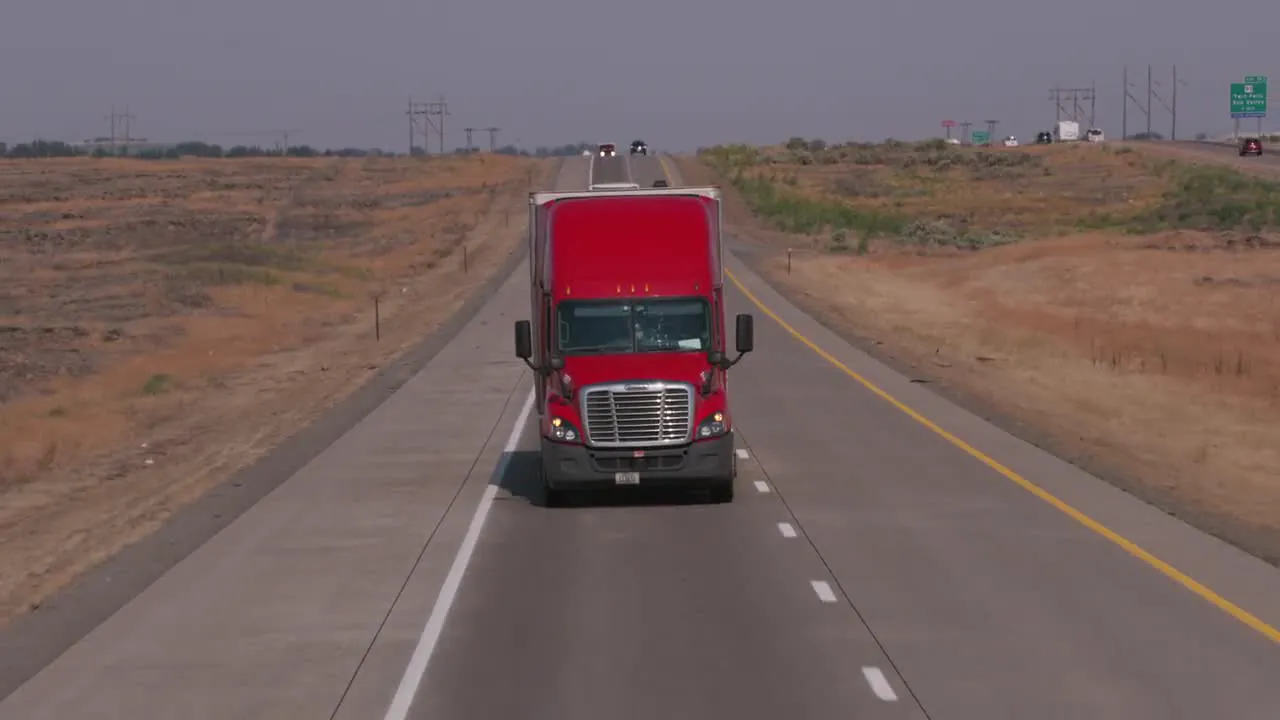
Deadhead is any mile you drive without freight on the truck — running to a pickup, repositioning after a delivery, or heading home. The truck burns fuel, wears tyres, accrues maintenance and uses up hours exactly as it does loaded. The only difference is that nobody is paying for it.
That is why it hides. The miles show up on the odometer but not on the settlement, so it is easy to treat them as part of the job rather than as a number. They are a number, and for many single-truck operations they are the difference between a good year and a flat one.
Do this once and you will never look at a rate the same way again.
This is where deadhead changes decisions rather than just describing them. A load paying well into a market with nothing coming out of it means the next move is either a long empty run or a cheap load taken out of necessity. Either way, the second leg eats the first leg’s margin.
A moderate rate into a market that reloads the same day frequently nets more across the week. The right way to judge an offer is over the round trip, not the single leg — and that is a judgement about where the freight is, which is the part a dispatcher is actually being paid for.
It is also why a lane you run repeatedly beats a series of unrelated good rates. A known lane has a known reload, so the empty miles become predictable and small.
The cost per mile calculator on this site includes a deadhead field precisely because leaving it out is the most common mistake in a naive cost-per-mile sum. Put in your real figures, set deadhead to what you actually run, and the break-even rate it gives you is the one worth holding out for.
Both trade a slice of the invoice for getting paid sooner. Which is cheaper depends on how often you use it, and on terms people rarely read.
Read itA rate confirmation is a contract, and most disputes are lost at the moment it is signed rather than at the dock. Here is what to read before you do.
Read itMost detention goes unclaimed, and almost always for the same reason: nobody recorded the times. The fix is procedural, not adversarial.
Read itTell us about your truck and the lanes you run, and we will tell you honestly whether a dispatcher is worth it for you.